The Shadow Project Strategic Plan 2025-29
The Shadow Project envisions an education system where learning differences are understood, respected, and celebrated. We’re leading the effort to help schools transform and make neuroinclusive education the standard – so every student, regardless of how they learn, has the support they need to thrive.
Our schools and our communities are hungry for this change. Neurodiversity is everywhere. Our schools must evolve to support these capable kids, and we are ready to do the work to make it happen. The Shadow Project is poised to ignite that energy and power a transformation across our state.
Click through our Priorities & Strategic Goals below. Each goal tab will continue to be updated throughout the life of our Strategic Plan as we make progress toward our vision.
Help More Students Build Confidence and Motivation to Learn and Achieve
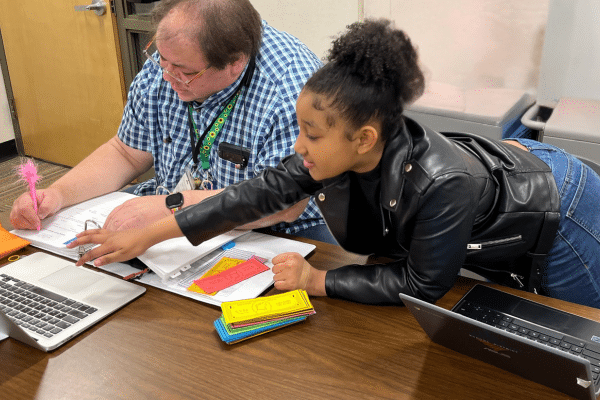
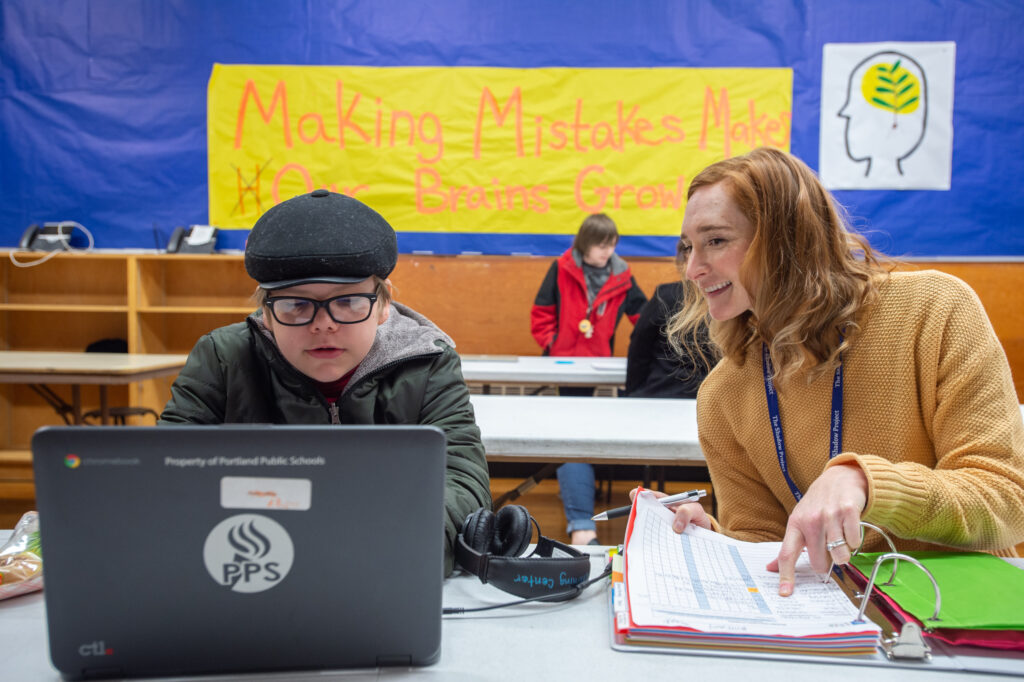
We will increase by 20% the number of students served by our Goal Setting Program, within existing partner districts.
STRATEGIES
- Partner with at least two educators at each school to increase student access and deepen school-wide impact.
- Adapt program to support students with learning challenges outside of special education, and enroll new educators such as reading specialists, attendance coaches, and mental health specialists.
- Expand summer programming with community partners, like literacy and disability service nonprofits, so kids can continue building skills year-round.
2025/26 Update
Just one year into our new strategic plan, we’ve already seen a 10% increase in students participating in Goal Setting. We welcomed 22 new partner educators this year, and now have two or more educators at half of our partner schools – putting us well on our way to our goal.
Summer Goal Setting had its strongest year yet in 2026, with more than 150 families registering for the program. Thank you to our school and community partners for helping us grow and for sharing the program with your networks.
Grow 1,000+ Enthusiastic Readers
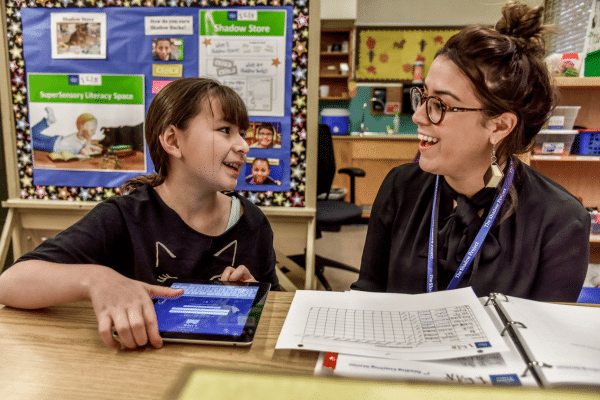
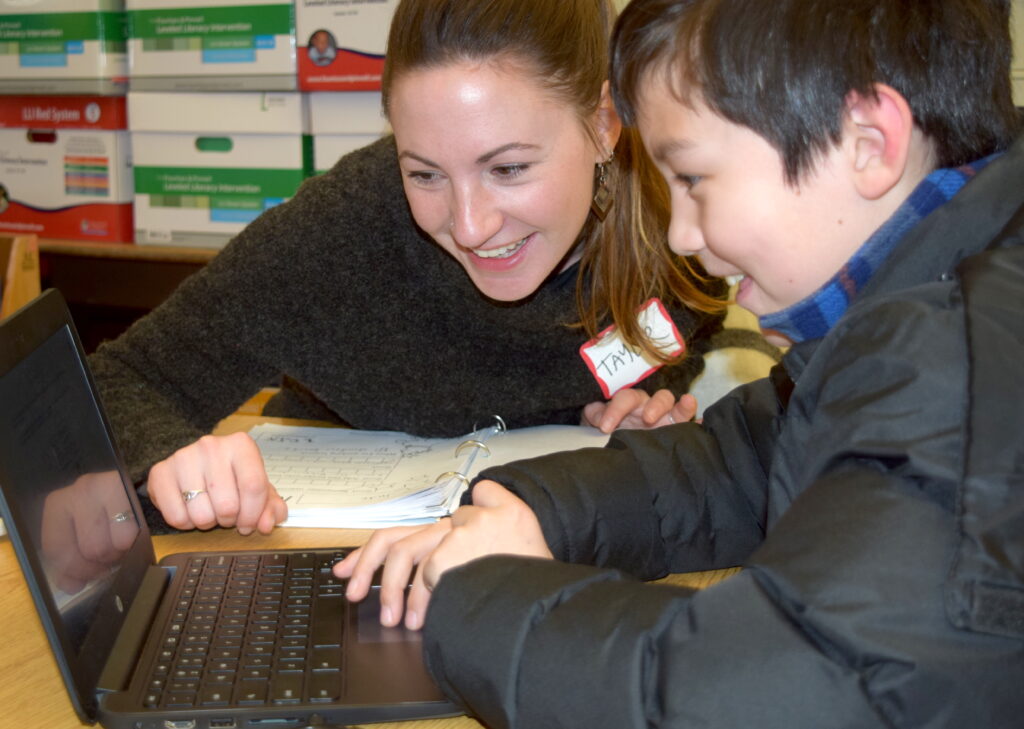
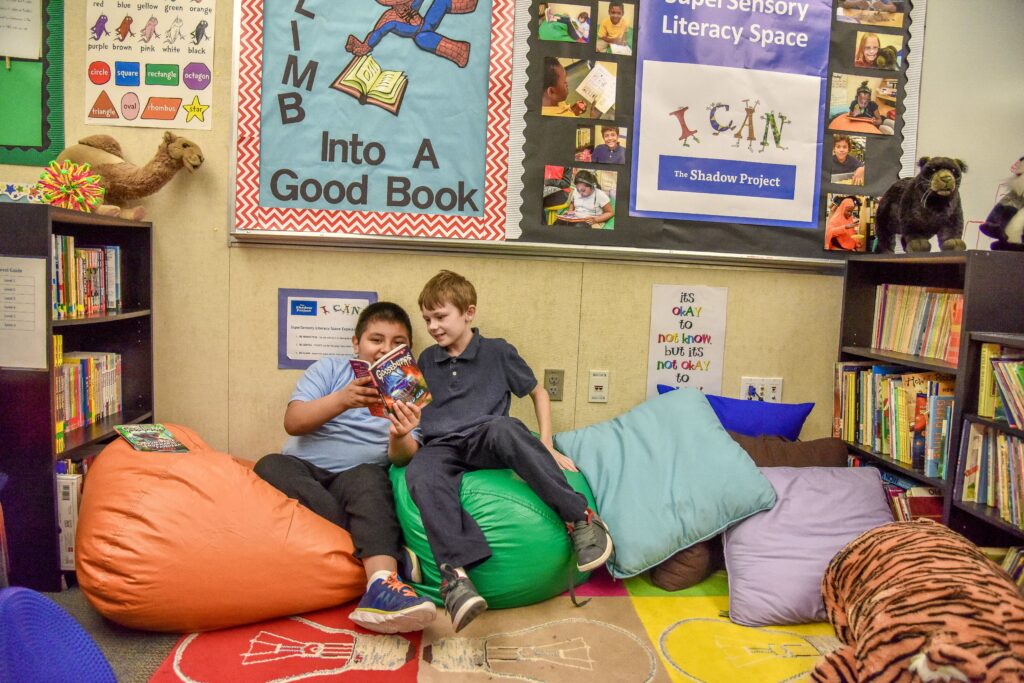
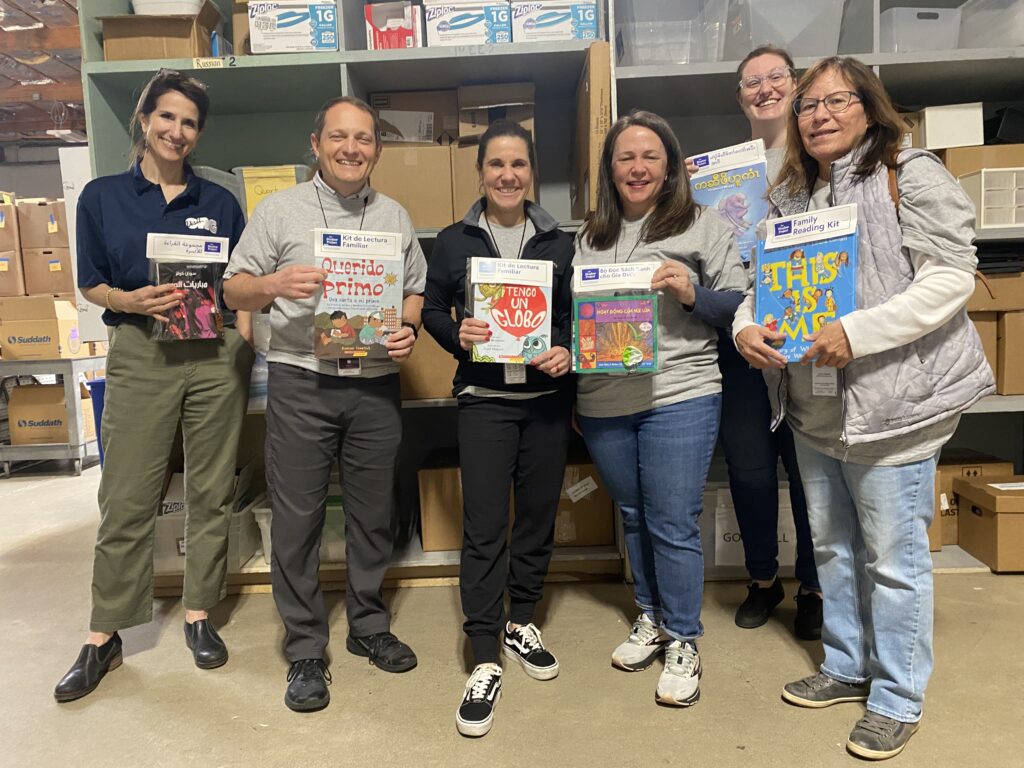
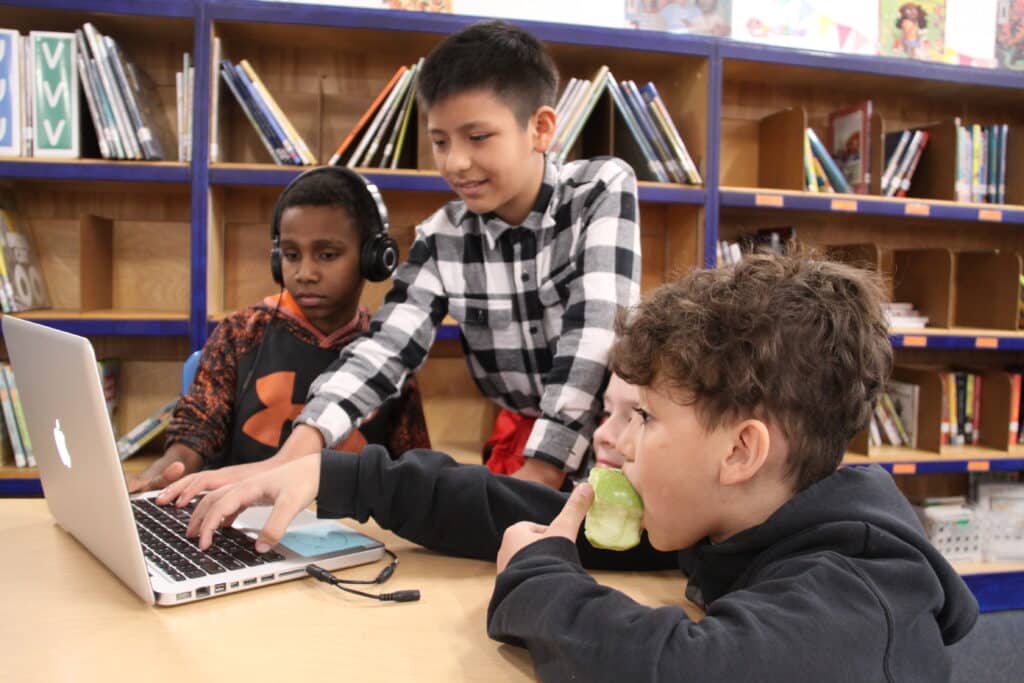
We will help 1,000+ students become enthusiastic regular readers by increasing access to specialized reading technology, training teachers to integrate literacy technology in the classrooms, and providing mentors to support both.
STRATEGIES
- Increase teacher awareness and use of inclusive reading tools, training 250 teachers by 2029.
- Formalize teacher training and engagement model to ensure broad and equitable student access to Learning Ally and other inclusive literacy tools within partner schools.
- Grow staff and volunteer capacity to mentor students, and normalize use of reading technology in the classrooms.
- Build partnerships with local and regional literacy organizations to raise awareness and usage of inclusive reading tools.
2025/26 Update
By the end of the 2025/26 school year, 284 students were using Learning Ally to access books through this accessible technology – a 140% increase over last year. This growth came from a small boost in volunteer capacity for Reading Mentors and, more significantly, from training 44 reading coaches and school staff, who brought Learning Ally into the classrooms and homes of 178 students.
Make Sensory-Friendly Spaces Standard in Schools
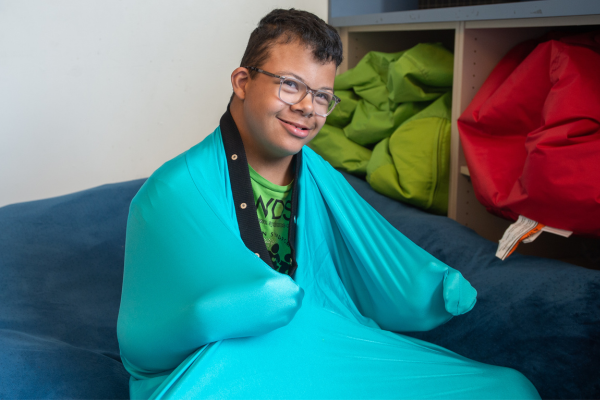
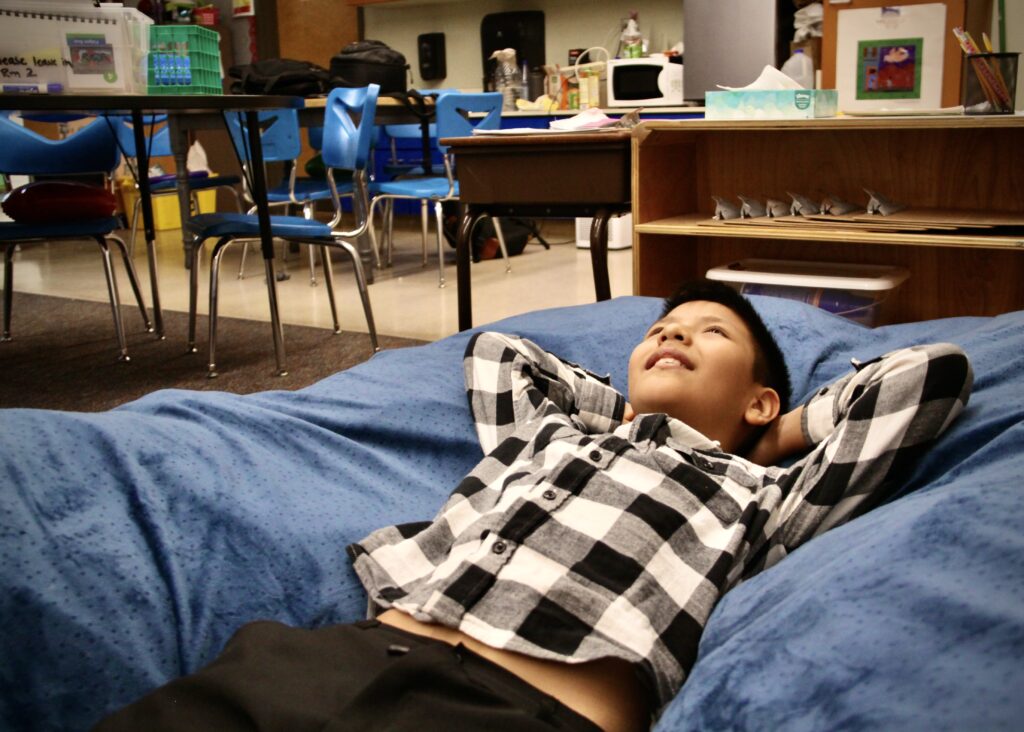
We will work to make proactive, sensory-supportive spaces a regular part of every school – so students’ behavior needs are met with support and skill-building, not isolation or punishment.
STRATEGIES
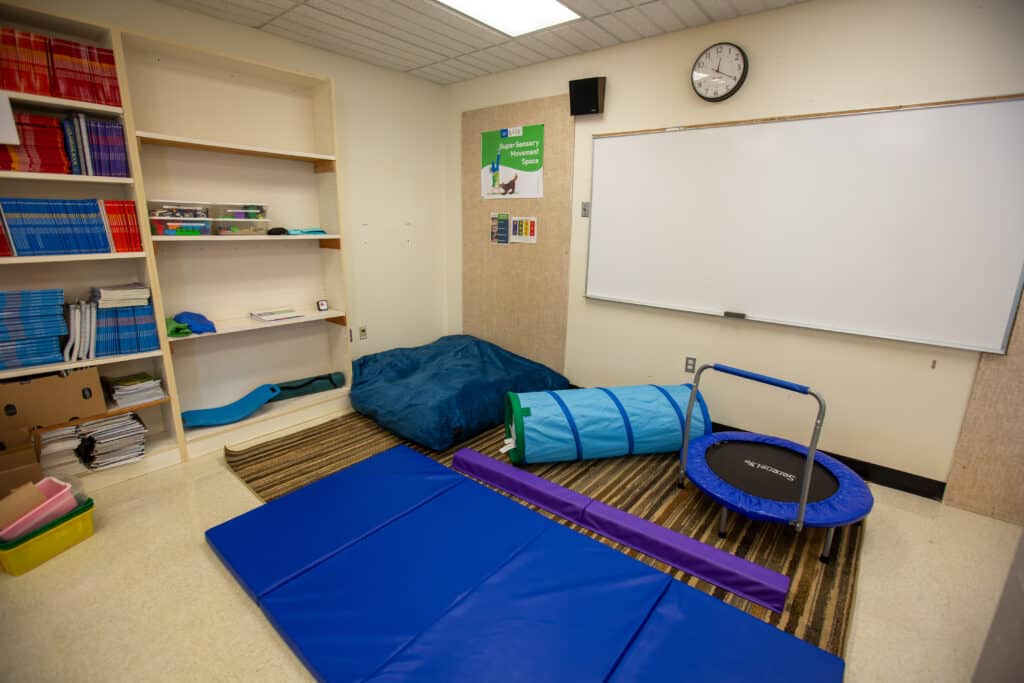
- Train 800 school staff on the benefits and effective use of SuperSensory Spaces.
- Improve program materials and teacher training to make the program easy for schools to sustain year-to-year.
- Offer consulting and support to help schools use existing sensory equipment more intentionally and effectively.
- Share our unique model broadly through conferences, community events, and media.
2025/26 Update
Seven new SuperSensory Spaces were installed across five school districts in the Portland metro area this year. Students in the 17 schools with active spaces logged 3,709 sessions over the course of the school year.
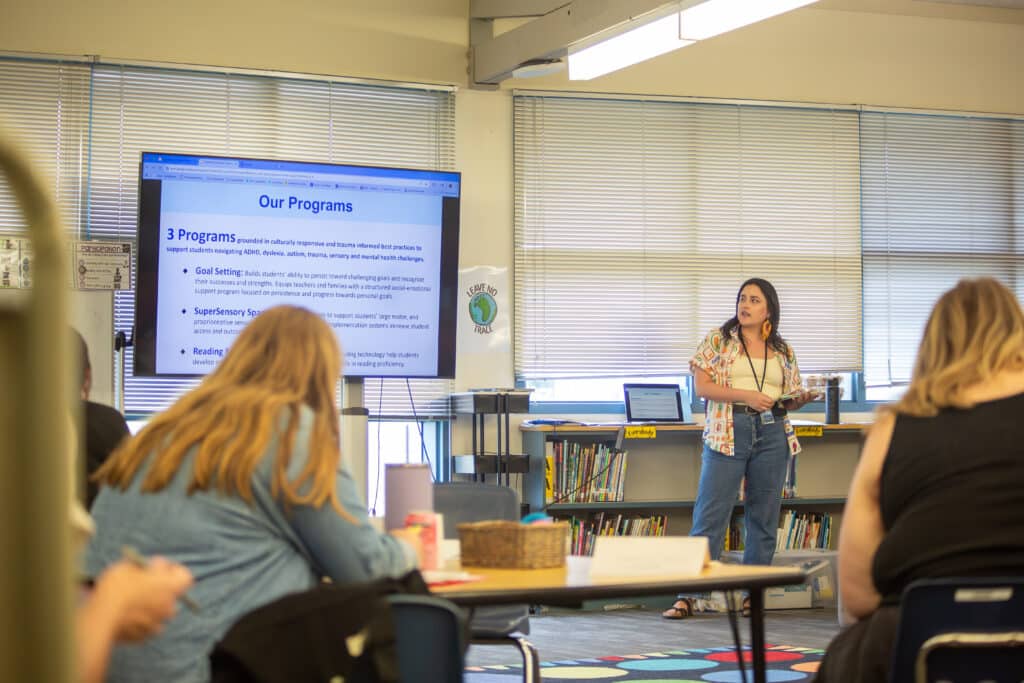
We also updated our SuperSensory Space training to include guidance on creating neuro-inclusive schools and supporting students’ sensory needs. With this updated training, our staff trained over 100 educators and school staff, teaching them to identify student sensory needs and use a model that promotes proactive sensory routines over punishment and isolation.
Expand Our Reach Beyond Portland
We will lay the groundwork to bring our Goal Setting program to students in communities outside the Portland area.
STRATEGIES
- Define what makes a new community ready and right for our work.
- Identify best practices for expansion as informed by our pilot with the Boys and Girls Club of Bend – a test location to help us evaluate our capacity for program delivery outside the Portland metro area.
2025/26 Update
Our two-year partnership with the Boys and Girls Club of Bend has given us valuable insights to guide research and development in the year ahead. We’re still in the discovery phase, and we’re developing guidance in four key areas to prepare for expansion:
- Strategic Alignment – Creating a checklist to help us evaluate whether a potential new partner is a good fit before we invest, looking at things like shared values and leadership support.
- Logistical Modifications – Building a step-by-step training plan so partners more than 60 miles from Portland can run the program on their own, without needing our staff on-site long-term.
- Flexible Implementation – Designing the program so it can work in different settings – with an individual teacher, a whole school or district, or an out-of-school program like a Boys & Girls Club.
- Additional Pilot Programs – Testing this approach with 1-2 new partners to see if we can replicate what worked in Bend elsewhere.
Strengthen and Grow What Works
We will evolve our evaluation methods to continuously improve our programs, ensure that they meet the needs of our communities, are poised for sustainable growth, and make a lasting impact.
STRATEGIES
- Learn if – and how – results from the SuperSensory Spaces and Reading Mentors programs differ for students based on race, gender, income, or community services.
- Identify which parts of each Shadow Project program are most important for achieving strong results.
- Launch new methods to share impact with schools and families, and get community input on program design and delivery.
2025/26 Update
Evaluation has been a strong component of The Shadow Project from the very beginning. This past year we interviewed over twenty dozen educators and community partners to inform improvements in Reading Mentors.
Our evaluation methods are expanding to better understand which students benefit most from different program approaches and why. These insights will help us strengthen our programs, direct resources where they can have the greatest impact, and help more students succeed.
Strengthen Our Brand and Message to Reach More People
We will ensure our branding and messaging clearly reflect who we are, what we do, and why it matters, so we can deepen our understanding of our mission, grow awareness, and inspire lasting support.
STRATEGIES
- Conduct research to understand how our brand is perceived by different audiences.
- Create messaging that inspires action and reflects the voices of our community.
- Use what we learn to launch a communications strategy that grows our visibility and impact.
2025/26 Update
With the help of Evolve Collaborative, a local communications and branding agency, we completed a brand audit this year. Feedback from more than 80 program partners, donors, volunteers, and community members helped us understand the strengths and weaknesses of our organizational name and brand identity. Based on this feedback, we’re mapping out next steps – including exploring a new organizational name – to strengthen our community impact through improved branding.
Partner with Supporters to Sustain and Grow Our Mission
We will create a more reliable and diverse funding base to ensure every child with learning differences has the chance to succeed – now and in the future.
STRATEGIES
- Grow individual giving by building lasting relationships with supporters, including those who make major charitable investments.
- Increase multiyear commitments from foundations and major donors.
- Launch new donor programs, including planned giving and legacy opportunities.
- Seek public funding and government partnerships to scale our work.
2025/26 Update
In April 2026, we held our inaugural Power of Potential Gala! This energizing event brought together longtime supporters and new friends to celebrate and support the potential in every single student we serve.
Looking ahead, we’re deepening partnerships with state agencies to build long-term, sustainable support for our programs, and connecting with leaders across Oregon to share ideas, learn from best practices, and strengthen our impact.
Build a Stronger, More Inclusive Team
We will grow and support a diverse, inclusive team that reflects our students and communities – because a healthy, mission-driven staff is key to student success.
STRATEGIES
- Advance accessibility and inclusivity of our office spaces and public events.
- Ensure our compensation and staffing plans promote equity, support employee wellness, and help retain highly capable staff.
- Strengthen operations and technology systems to support long-term growth.
2025/26 Update
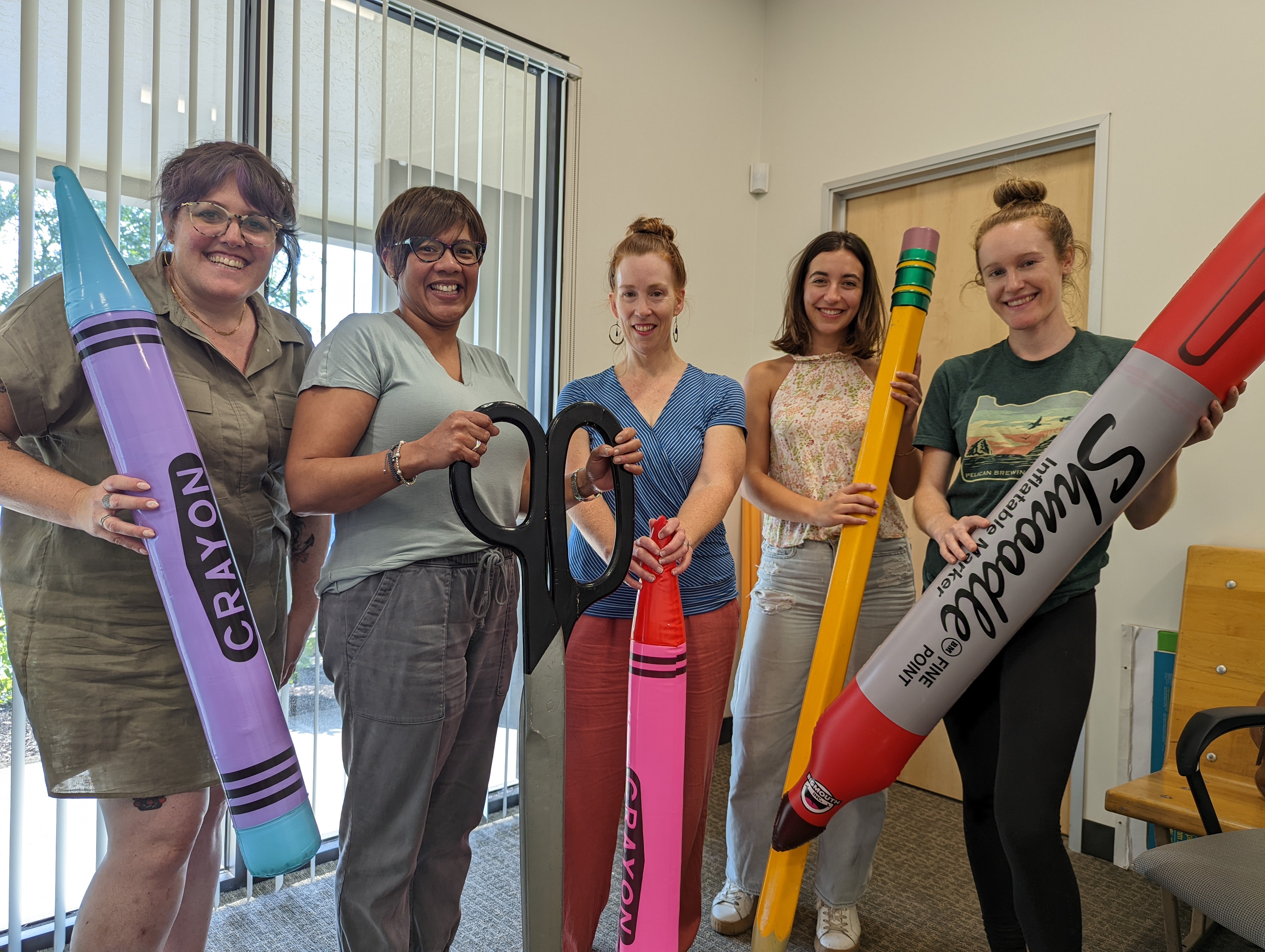
To boost staff satisfaction and retention, we established a new salary scale benchmarked to Portland metro nonprofit comparables and the Multnomah County living wage, so that every employee earns at least a living wage. We affirmed our commitment to a hybrid work environment as the best way to fulfill our mission and retain high-performing staff who reflect our student population, and consolidated our office space into a new, fully ADA-accessible location adjacent to our warehouse, with conference space for in-person collaboration and easy access to our East County partner schools.
We also conducted a security audit this year, strengthening our commitment to protecting student, donor, and organizational data by implementing Google for Small Business recommendations and a new IT security policy.
Strengthen Our Board to Lead Boldly
A well-supported and engaged board will help us grow our impact, raise critical funds, and tell our story more powerfully.
STRATEGIES
- Recruit a diverse board with expertise in education, fundraising, and nonprofit governance.
- Train and support board members to be effective advocates and ambassadors.
- Create leadership pipelines and succession plans.
- Launch new board committees to guide strategy and communications.
- Improve systems for board-staff collaboration and timely decision-making.
2025/26 Update
This year, our Board of Directors conducted a thorough review of our bylaws, updating both the bylaws and the Board Handbook. We implemented a new board leadership structure designed to ease board transitions and keep leadership workload realistic and appealing to prospective board members.
We also established a system that allows staff leaders to act quickly on advocacy issues important to our community, while maintaining clear board oversight.
- Goal 1
-
Help More Students Build Confidence and Motivation to Learn and Achieve
We will increase by 20% the number of students served by our Goal Setting Program, within existing partner districts.
STRATEGIES
- Partner with at least two educators at each school to increase student access and deepen school-wide impact.
- Adapt program to support students with learning challenges outside of special education, and enroll new educators such as reading specialists, attendance coaches, and mental health specialists.
- Expand summer programming with community partners, like literacy and disability service nonprofits, so kids can continue building skills year-round.
2025/26 Update
Just one year into our new strategic plan, we’ve already seen a 10% increase in students participating in Goal Setting. We welcomed 22 new partner educators this year, and now have two or more educators at half of our partner schools – putting us well on our way to our goal.
Summer Goal Setting had its strongest year yet in 2026, with more than 150 families registering for the program. Thank you to our school and community partners for helping us grow and for sharing the program with your networks.
- Goal 2
-
Grow 1,000+ Enthusiastic Readers
We will help 1,000+ students become enthusiastic regular readers by increasing access to specialized reading technology, training teachers to integrate literacy technology in the classrooms, and providing mentors to support both.
STRATEGIES
- Increase teacher awareness and use of inclusive reading tools, training 250 teachers by 2029.
- Formalize teacher training and engagement model to ensure broad and equitable student access to Learning Ally and other inclusive literacy tools within partner schools.
- Grow staff and volunteer capacity to mentor students, and normalize use of reading technology in the classrooms.
- Build partnerships with local and regional literacy organizations to raise awareness and usage of inclusive reading tools.
2025/26 Update
By the end of the 2025/26 school year, 284 students were using Learning Ally to access books through this accessible technology – a 140% increase over last year. This growth came from a small boost in volunteer capacity for Reading Mentors and, more significantly, from training 44 reading coaches and school staff, who brought Learning Ally into the classrooms and homes of 178 students.
- Goal 3
-
Make Sensory-Friendly Spaces Standard in Schools
We will work to make proactive, sensory-supportive spaces a regular part of every school – so students’ behavior needs are met with support and skill-building, not isolation or punishment.
STRATEGIES
- Train 800 school staff on the benefits and effective use of SuperSensory Spaces.
- Improve program materials and teacher training to make the program easy for schools to sustain year-to-year.
- Offer consulting and support to help schools use existing sensory equipment more intentionally and effectively.
- Share our unique model broadly through conferences, community events, and media.
2025/26 Update
Seven new SuperSensory Spaces were installed across five school districts in the Portland metro area this year. Students in the 17 schools with active spaces logged 3,709 sessions over the course of the school year.
We also updated our SuperSensory Space training to include guidance on creating neuro-inclusive schools and supporting students’ sensory needs. With this updated training, our staff trained over 100 educators and school staff, teaching them to identify student sensory needs and use a model that promotes proactive sensory routines over punishment and isolation.
- Goal 4
-
Expand Our Reach Beyond Portland
We will lay the groundwork to bring our Goal Setting program to students in communities outside the Portland area.
STRATEGIES
- Define what makes a new community ready and right for our work.
- Identify best practices for expansion as informed by our pilot with the Boys and Girls Club of Bend – a test location to help us evaluate our capacity for program delivery outside the Portland metro area.
2025/26 Update
Our two-year partnership with the Boys and Girls Club of Bend has given us valuable insights to guide research and development in the year ahead. We’re still in the discovery phase, and we’re developing guidance in four key areas to prepare for expansion:
- Strategic Alignment – Creating a checklist to help us evaluate whether a potential new partner is a good fit before we invest, looking at things like shared values and leadership support.
- Logistical Modifications – Building a step-by-step training plan so partners more than 60 miles from Portland can run the program on their own, without needing our staff on-site long-term.
- Flexible Implementation – Designing the program so it can work in different settings – with an individual teacher, a whole school or district, or an out-of-school program like a Boys & Girls Club.
- Additional Pilot Programs – Testing this approach with 1-2 new partners to see if we can replicate what worked in Bend elsewhere.
- Goal 5
-
Strengthen and Grow What Works
We will evolve our evaluation methods to continuously improve our programs, ensure that they meet the needs of our communities, are poised for sustainable growth, and make a lasting impact.
STRATEGIES
- Learn if – and how – results from the SuperSensory Spaces and Reading Mentors programs differ for students based on race, gender, income, or community services.
- Identify which parts of each Shadow Project program are most important for achieving strong results.
- Launch new methods to share impact with schools and families, and get community input on program design and delivery.
2025/26 Update
Evaluation has been a strong component of The Shadow Project from the very beginning. This past year we interviewed over twenty dozen educators and community partners to inform improvements in Reading Mentors.
Our evaluation methods are expanding to better understand which students benefit most from different program approaches and why. These insights will help us strengthen our programs, direct resources where they can have the greatest impact, and help more students succeed.
- Goal 6
-
Strengthen Our Brand and Message to Reach More People
We will ensure our branding and messaging clearly reflect who we are, what we do, and why it matters, so we can deepen our understanding of our mission, grow awareness, and inspire lasting support.
STRATEGIES
- Conduct research to understand how our brand is perceived by different audiences.
- Create messaging that inspires action and reflects the voices of our community.
- Use what we learn to launch a communications strategy that grows our visibility and impact.
2025/26 Update
With the help of Evolve Collaborative, a local communications and branding agency, we completed a brand audit this year. Feedback from more than 80 program partners, donors, volunteers, and community members helped us understand the strengths and weaknesses of our organizational name and brand identity. Based on this feedback, we’re mapping out next steps – including exploring a new organizational name – to strengthen our community impact through improved branding.
- Goal 7
-
Partner with Supporters to Sustain and Grow Our Mission
We will create a more reliable and diverse funding base to ensure every child with learning differences has the chance to succeed – now and in the future.
STRATEGIES
- Grow individual giving by building lasting relationships with supporters, including those who make major charitable investments.
- Increase multiyear commitments from foundations and major donors.
- Launch new donor programs, including planned giving and legacy opportunities.
- Seek public funding and government partnerships to scale our work.
2025/26 Update
In April 2026, we held our inaugural Power of Potential Gala! This energizing event brought together longtime supporters and new friends to celebrate and support the potential in every single student we serve.
Looking ahead, we’re deepening partnerships with state agencies to build long-term, sustainable support for our programs, and connecting with leaders across Oregon to share ideas, learn from best practices, and strengthen our impact.
- Goal 8
-
Build a Stronger, More Inclusive Team
We will grow and support a diverse, inclusive team that reflects our students and communities – because a healthy, mission-driven staff is key to student success.
STRATEGIES
- Advance accessibility and inclusivity of our office spaces and public events.
- Ensure our compensation and staffing plans promote equity, support employee wellness, and help retain highly capable staff.
- Strengthen operations and technology systems to support long-term growth.
2025/26 Update
To boost staff satisfaction and retention, we established a new salary scale benchmarked to Portland metro nonprofit comparables and the Multnomah County living wage, so that every employee earns at least a living wage. We affirmed our commitment to a hybrid work environment as the best way to fulfill our mission and retain high-performing staff who reflect our student population, and consolidated our office space into a new, fully ADA-accessible location adjacent to our warehouse, with conference space for in-person collaboration and easy access to our East County partner schools.
We also conducted a security audit this year, strengthening our commitment to protecting student, donor, and organizational data by implementing Google for Small Business recommendations and a new IT security policy.
- Goal 9
-
Strengthen Our Board to Lead Boldly
A well-supported and engaged board will help us grow our impact, raise critical funds, and tell our story more powerfully.
STRATEGIES
- Recruit a diverse board with expertise in education, fundraising, and nonprofit governance.
- Train and support board members to be effective advocates and ambassadors.
- Create leadership pipelines and succession plans.
- Launch new board committees to guide strategy and communications.
- Improve systems for board-staff collaboration and timely decision-making.
2025/26 Update
This year, our Board of Directors conducted a thorough review of our bylaws, updating both the bylaws and the Board Handbook. We implemented a new board leadership structure designed to ease board transitions and keep leadership workload realistic and appealing to prospective board members.
We also established a system that allows staff leaders to act quickly on advocacy issues important to our community, while maintaining clear board oversight.
Join us to create an inclusive future for Oregon’s kids.
The Shadow Project is leading a statewide movement to transform education for students with learning differences. But we can’t do it alone. Here’s how you can help:
Partner with Us
Bring our programs to your school or district.
Advocate
Share our work and push for inclusive policy change.
Donate
Invest in programs that make a lasting difference.